Sarphine: The Modern Handwritten Font for Authentic Design
A Fresh Take on the Handwritten Style
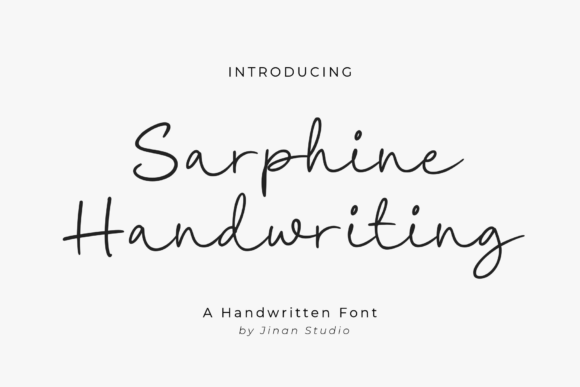
Sarphine isn't your typical script font. It sidesteps the overly casual, messy look of some handwritten typefaces and instead offers a polished, contemporary elegance. Think of it as the sophisticated cousin in the handwritten font family. Its letterforms are built on a foundation of clean, organic curves and a natural, flowing rhythm. This gives it an intimate, personal quality without sacrificing clarity or professionalism. It’s a creative font that feels both approachable and refined, making it a versatile design asset for projects that need a human touch with modern sensibility.
The personality of Sarphine is warm, inviting, and subtly confident. It carries an air of authenticity that resonates in today's market, where audiences crave genuine connection. Unlike stark, geometric sans serif fonts, Sarphine introduces a layer of softness and personality. Yet, it avoids the whimsy that can make some script fonts feel unsuitable for serious applications. This balance is its greatest strength, allowing it to bridge the gap between personal expression and commercial appeal in your brand identity.
Where Sarphine Truly Shines: Practical Applications
Understanding where a font excels is key to using it effectively. Sarphine's clean elegance makes it a standout choice across a surprising range of projects. Its primary strength lies in applications where you want to convey warmth, creativity, and a personal connection.
Branding and Logo Design
For logo design, especially for boutique brands, lifestyle products, consultants, or creative studios, Sarphine can be transformative. It sets a tone that is approachable yet discerning. Imagine it for a local bakery's logo, a wellness coach's brand mark, or the wordmark for a handcrafted jewelry line. It immediately communicates care, craft, and a personal touch. When used as a display font in a logo, it becomes the central voice of the brand's personality.
Marketing and Social Media
In the fast-paced world of social media graphics, standing out is crucial. Sarphine excels here. Use it for Instagram quotes, Facebook ad headlines, or Pinterest pin titles to add a layer of authenticity that stops the scroll. It’s particularly effective for creating visual hierarchy; pair it with a clean sans serif font for body text to create a dynamic and readable layout. This combination guides the viewer's eye naturally from an engaging headline to informative content.
Editorial and Publishing
Publishers and bloggers can leverage Sarphine to add personality to their editorial design. It works beautifully for pull quotes, chapter headings, or the title of a magazine feature. In book cover design, it can signal a contemporary romance, a heartfelt memoir, or a creative non-fiction work. The key is using it strategically to highlight specific elements, not for long blocks of text, where a traditional serif font or sans serif font would ensure optimal readability.
Packaging and Product Design
Packaging design is all about shelf appeal and telling a quick story. Sarphine's organic rhythm makes it ideal for product labels, gift tags, and box designs for artisanal goods. It suggests something made with intention and care. For a craft coffee brand, a scented candle company, or a specialty food product, this typeface can instantly communicate quality and a personal story, helping your product connect with consumers on an emotional level.
Digital Presence and Web Design
While not for body copy, Sarphine can inject life into specific areas of web design. Consider it for call-to-action buttons, testimonial headers, or the hero section of a homepage to create an immediate emotional impact. Used sparingly, it breaks the monotony of standard web fonts and reinforces brand personality, making the digital experience feel more human and engaging.
How Sarphine Influences Your Project's Success
Choosing a font is a strategic decision that influences far more than just aesthetics. Sarphine, as a premium font, can directly impact key aspects of your project's effectiveness.
Brand Perception and Recognition: The right typeface is a silent ambassador for your brand. Sarphine helps shape a perception of being modern, authentic, and customer-focused. Consistent use across your touchpoints—from your website to your packaging—builds a recognizable and cohesive brand identity. It tells a consistent story that audiences learn to associate with your values.
Visual Hierarchy and Readability: As a display font, Sarphine's role is to command attention at key points. Its clear letterforms ensure that headlines and important text remain legible, even at larger sizes. However, its handwritten nature means it's best used for short bursts of text. For body copy, always pair it with a highly readable serif font or sans serif font. This creates a clear visual hierarchy that guides the reader comfortably through your content.
Audience Engagement: Fonts evoke emotion. Sarphine's intimate flair can make marketing materials feel less like an advertisement and more like a personal note. This subtle shift can increase engagement, as audiences are more likely to connect with content that feels genuine and human. It helps your message land with warmth rather than corporate coldness.
Practical Guidance for Using Sarphine
To get the most out of this modern typography choice, consider these practical steps.
Evaluate Your Project's Fit: Sarphine is a creative font, not a universal workhorse. Ask yourself: Does my project benefit from a personal, handwritten aesthetic? Is the audience likely to respond to warmth and authenticity? If you're designing a legal document or a technical manual, it's not the right tool. If you're creating a wedding invitation, a blog header, or a boutique brand, it's an excellent candidate.
Master the Font Pairing: The most common mistake with display fonts is poor pairing. Sarphine pairs beautifully with geometric or humanist sans serif fonts for a clean, contemporary look. For a more classic or editorial feel, try it with a transitional serif font. The contrast in style creates visual interest and ensures the handwritten element stands out without overwhelming the design. Always test your pairings in context to check for balance and readability.
Review the Full Character Set: A quality commercial font like Sarphine often includes alternates, ligatures, and extended language support. Before finalizing a design, explore the full character set. Swapping in an alternate 'a' or 'g' can add a unique flair to a logo or headline, making your work feel more custom and less templated.
Consider Commercial Licensing: If you're using Sarphine for a client project, a product for sale, or widespread marketing, ensure you have the correct commercial font license. This is a critical, often overlooked, step. Proper licensing protects you legally and supports the type designers who create these valuable assets.
Test for Readability at Scale: Always test how Sarphine performs at the sizes it will be used. A font that looks stunning on a large poster might lose its charm when scaled down for a small social media icon. Check for clarity on different screens and in print proofs. Its strength is in display settings, so ensure it remains impactful and legible in your specific application.
Ultimately, Sarphine is a tool for adding a layer of human connection and contemporary style. When chosen thoughtfully and applied with intention, it can elevate a design from merely functional to truly memorable, helping your project communicate with clarity, warmth, and a distinct personality.