Dear Heart: A Handwritten Font for Authentic Connection
There’s a particular warmth to a handwritten note that digital text often misses. It carries personality, a sense of care, and a human touch. Dear Heart, a romantic handwritten font, captures this feeling beautifully. It’s not just a collection of letters; it’s a design asset built for projects that aim to feel personal, heartfelt, and genuine. As a premium font, it offers more than basic characters—it includes a full suite of glyphs and swashes, all easily accessible thanks to its PUA encoding. This makes it a practical tool for anyone looking to add a layer of authentic charm to their work.
The Visual Character of Dear Heart
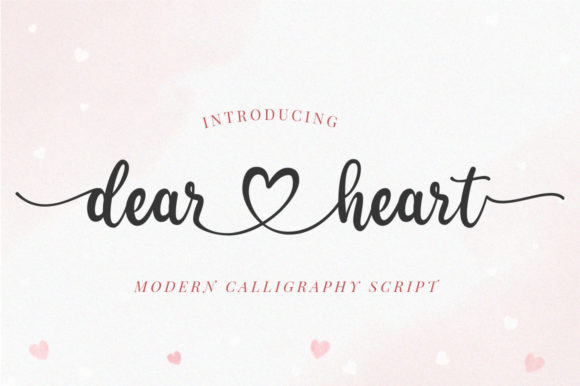
At its core, Dear Heart is a script font with a distinct handwritten personality. The letterforms flow with a natural, organic rhythm, mimicking the slight variations and fluid connections of real penmanship. Its style leans romantic and elegant, but it avoids looking overly formal or stiff. The strokes have a comfortable weight—neither too thin to be fragile nor too heavy to be overwhelming. This balance is key. It allows the font to feel approachable for everyday projects while still being sophisticated enough for special occasions.
The included swashes and alternate characters are where the creative font truly shines. These extra flourishes can be added to beginnings or ends of words, creating a more dynamic and decorative effect. For a designer, this means you’re not stuck with a single look. You can tailor the typography to match the exact mood of your project, whether it’s a playful invitation or an elegant brand mark. The PUA encoding is a practical feature here, ensuring all these extras are simple to access in any design software, which saves significant time during the creative process.
Where Dear Heart Finds Its Home
Understanding a font’s strengths helps you use it effectively. Dear Heart’s handwritten nature makes it a natural fit for projects centered on emotion, storytelling, and personal connection. Think beyond Valentine’s Day letters. Its applications span a wide range of creative and commercial work.
In brand identity, it can help a business establish a friendly, human-centric voice. A small bakery, a boutique wedding planner, or a personal blog could use it for their logo design to immediately convey warmth and approachability. For packaging design, especially for artisanal goods, cosmetics, or gourmet foods, it adds a crafted, premium feel that suggests care and quality. In editorial design, it works wonderfully for pull quotes, chapter titles, or magazine headlines where you want to draw the reader in with a personal voice.
Digital spaces also benefit. It can elevate social media graphics, making posts feel more curated and less generic. For web design, it’s best used for short, impactful headings or hero text rather than body copy, where a cleaner sans serif font would ensure readability. The key is using it where its personality can be appreciated without sacrificing clarity.
Making Dear Heart Work for Your Project
Choosing the right font is about fit, not just appeal. Start by evaluating your project’s core message. Does it call for a personal touch? If the goal is to build trust, convey elegance, or spark nostalgia, Dear Heart is a strong candidate. If the project demands stark minimalism or ultra-modern precision, a different typeface might be better suited.
Font pairing is where many designs succeed or struggle. Dear Heart, as a display-heavy script, needs a stable partner. A clean, geometric sans serif font like Montserrat or Lato creates a beautiful contrast, letting the script headlines pop while ensuring body text remains legible. A simple serif font like Georgia or Times New Roman can also work, offering a classic, readable base. Avoid pairing it with other decorative or script fonts, as this often leads to visual clutter and confusion.
Always test the font in context. Type out your actual headlines or key phrases. Check the spacing and flow of the letters. Use the alternate glyphs to see if they enhance or distract. Consider readability at different sizes—what looks charming in a large headline might become illegible in a small caption. Finally, for any commercial use, confirm the licensing. Dear Heart is a commercial font, so understanding its terms is essential for professional projects, from client work to products for sale.
Beyond Aesthetics: The Impact of Thoughtful Typography
The fonts you choose do more than decorate; they communicate. A well-selected typeface influences how your audience perceives your message and, by extension, your brand. Using a font like Dear Heart consistently across your brand identity—from business cards to website headers to email newsletters—builds recognition. It becomes a visual cue that tells your audience, “This is us.”
This consistency fosters professionalism and trust. It shows attention to detail. In a crowded market, that subtle, cohesive touch can make your materials more memorable and engaging. It moves your design from being merely functional to being expressive, helping you connect with your audience on a more human level. Ultimately, the right design assets are investments in your story, and a thoughtfully chosen font is one of the most powerful tools you have to tell it.