Calligraphy Font: Sweeping Ascenders for Artisan Brands
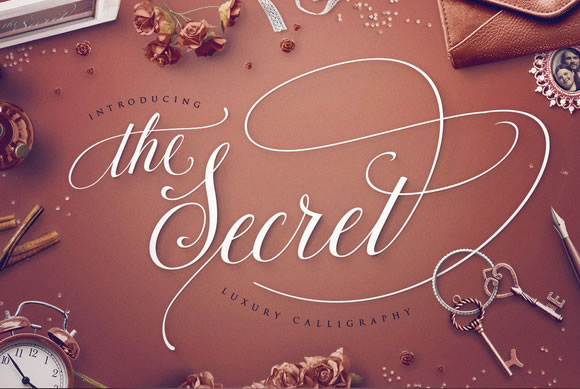
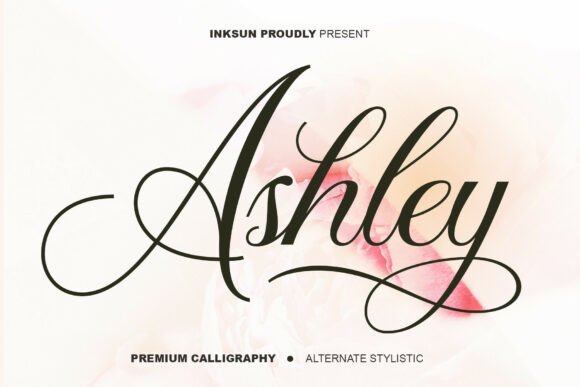
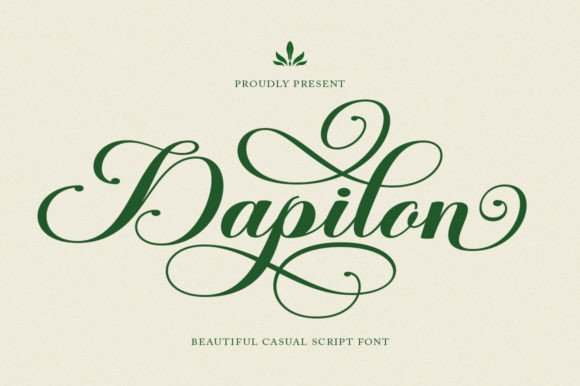
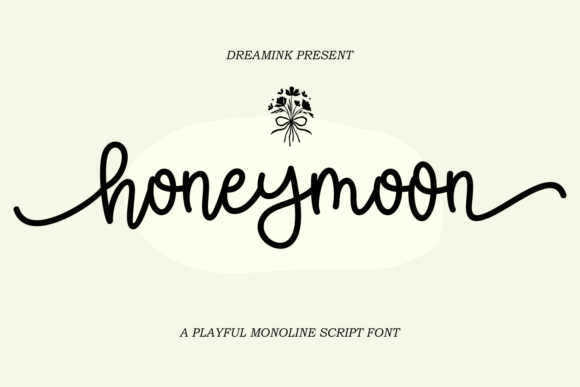
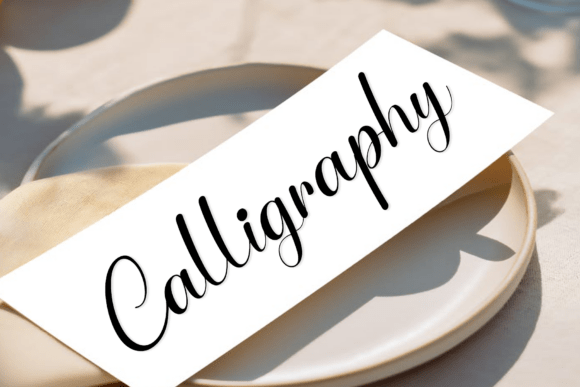
If you’ve spent any time in the world of design, you know that typography is rarely just about reading words; it is about feeling them. In the crowded landscape of premium fonts, finding a typeface that bridges the gap between historical elegance and modern usability is the holy grail. This is where Calligraphy enters the conversation. It isn't merely a script font; it is a carefully engineered tool that balances a sophisticated calligraphic style with a warm, organic aesthetic. What sets it apart immediately are the sweeping, looping ascenders—the parts of letters like h, l, and k that reach upward. These flourishes create a sense of customized, artisanal artistry that feels hand-drawn yet structurally sound.
For designers and brand strategists, the visual personality of a font dictates the entire direction of a project. Calligraphy carries a distinct "boutique" vibe. It doesn't scream for attention with loud, jagged edges; rather, it invites the viewer in with a rhythmic, flowing cadence. This makes it a premier choice for projects that require a human touch. Whether you are designing for artisanal food branding, boutique product packaging, or upscale lifestyle marketing, this typeface offers a voice that speaks of quality and care. It fits seamlessly into the modern typography landscape where consumers crave authenticity over sterile, mass-produced aesthetics.
The Anatomy of Artisanal Appeal
Understanding the visual characteristics of Calligraphy is key to using it effectively. At its core, this is a display font designed for impact, specifically in headers and logos. The defining feature is that organic movement. Unlike a rigid serif font or a geometric sans serif font, this typeface mimics the pressure and release of a nib on paper. The connections between letters are fluid, avoiding the rigid connectors found in traditional cursive scripts. This fluidity gives your logo design or editorial title a sense of momentum.
However, its beauty lies in its restraint. While it is ornate, it remains legible—a crucial factor when choosing a creative font. The loops are open enough that they don’t close in on themselves at smaller sizes, though it is undeniably a hero for headlines. When you apply this font to a project, you are immediately signaling to your audience that the product or content inside is curated. It transforms a simple jar of jam into a gourmet experience and a basic blog header into a lifestyle destination. It serves as a visual shorthand for "handmade" and "high-end."
Strategic Applications: Where Calligraphy Shines
Knowing where to deploy a font is just as important as the font itself. Calligraphy excels in specific environments where emotional connection drives consumer behavior.
Branding and Packaging Design
In the realm of packaging design, first impressions are everything. This font is a powerhouse for brands looking to establish a distinct brand identity in the wellness, beauty, or gourmet sectors. Imagine this script on the label of a small-batch gin or a hand-poured candle. It provides that necessary contrast when paired with a clean, minimalist sans serif font for body copy. The script acts as the face of the brand, while the sans serif handles the technical details like ingredients and instructions. This pairing creates a professional hierarchy that guides the customer's eye naturally.
Editorial and Web Design
In editorial design, particularly for magazines, lookbooks, or lifestyle blogs, Calligraphy shines as a tool for breaking up visual monotony. Long blocks of text in a standard serif can feel heavy. Using this script for pull quotes, chapter titles, or feature headers adds a layer of sophistication. In web design, it is best used sparingly. Because it is a display font, it is perfect for the "hero" section of a homepage or the title of a specific landing page. It grabs attention immediately, setting the emotional tone before the user scrolls down to the more utilitarian text.
Digital and Social Media
For content creators and social media managers, Calligraphy is a secret weapon for engagement. On platforms like Instagram or Pinterest, where visual scroll-stopping power is currency, a well-placed script can elevate a simple graphic. It works exceptionally well for quotes, announcements, and sale graphics. Because it feels personal, it helps bridge the digital divide, making a brand feel more accessible and human. It is a versatile addition to your library of design assets.
Readability and Visual Hierarchy
A common pitfall with script fonts is prioritizing style over substance. However, Calligraphy manages to influence visual hierarchy positively without sacrificing clarity—provided it is used correctly. Because of its sweeping ascenders, it naturally draws the eye upward and across the page. This creates a dynamic flow that static fonts often lack.
When considering audience engagement, the warmth of the font fosters trust. In marketing materials, a cold, corporate font might create distance, whereas this handwritten style implies a conversation. It suggests that there is a human behind the brand. However, to maintain professionalism, you must respect the font's boundaries. It is not intended for body text. Using it for long paragraphs will destroy readability and frustrate your audience. Instead, use it to anchor your design, then let a highly legible serif or sans serif do the heavy lifting for the content.
Practical Guide to Choosing and Pairing
If you are evaluating whether Calligraphy is the right fit for your next project, consider the following practical steps. First, evaluate the project fit. Does your brand voice lean toward the "artisanal" or "luxury" spectrum? If you are selling industrial software, this might not be the match. But if you are in fashion, food, or lifestyle, it is a strong contender.
Next, focus on font pairing. A script with this much personality needs a grounding partner. Look for a neutral serif font for a classic, timeless look, or a geometric sans serif font for a modern, clean contrast. Avoid pairing it with other ornate handwritten fonts, as they will compete for attention and create visual chaos.
Before finalizing your purchase, review the included styles. Many premium fonts come with alternates, ligatures, and swashes. Understanding how these features work allows you to customize the text further, ensuring that the loops don't clash awkwardly. Always test for readability at the size you intend to use it. A font that looks beautiful at 100px might lose its definition at 60px.
Finally, consider the licensing. If you are using this for a client's product packaging or a high-traffic website, ensure you have the correct commercial font license. Skimping on licensing is a risk that no professional designer or business owner should take. By treating Calligraphy not just as a download, but as a strategic asset, you ensure that your final design is both beautiful and legally sound. It is a typeface that rewards careful implementation with timeless elegance.