Hardware Font: Crafting Authentic Brand Identities
There is a distinct warmth that a handwritten typeface brings to a design project, cutting through the cold precision of digital vectors to offer something genuinely human. Among the many design assets available today, Hardware stands out as a particularly compelling choice. It is not merely a collection of letters; it is a premium font designed to inject personality and soul into your visual communication. For designers, entrepreneurs, and creators, finding a typeface that feels both timeless and fresh is a constant pursuit, and Hardware delivers on that promise with a casual elegance that feels immediately familiar yet distinct.
The Visual Character of Hardware
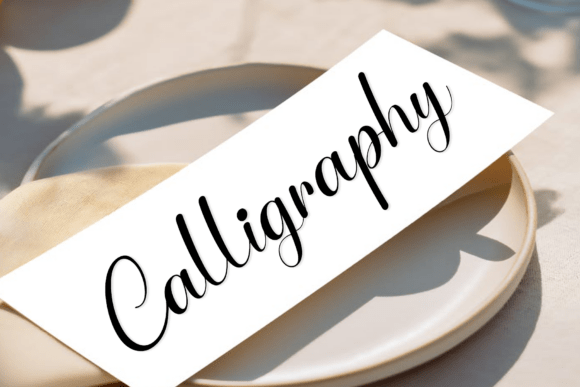
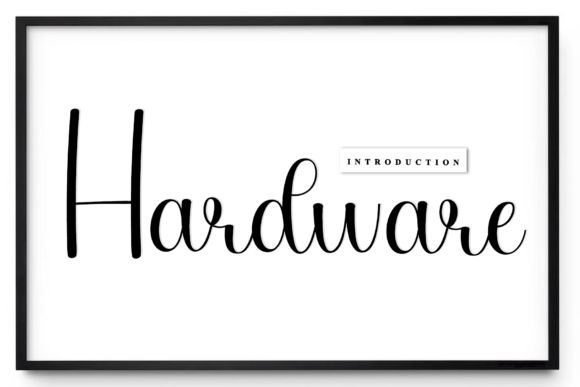
When you first encounter Hardware, you notice the organic flow of the strokes. It avoids the rigid uniformity of standard sans serif font families, instead embracing the natural inconsistencies found in hand-lettering. The letterforms exhibit a beautiful baseline shift and varying stroke weights, mimicking the pressure variations of a real pen or brush. This gives the typeface a textured, tactile quality that digital screens often strip away. It feels personal, as if a friend wrote a note on your stationery.
Unlike some script font styles that rely on elaborate swashes and difficult connectivity, Hardware prioritizes legibility while maintaining its charm. The spacing between characters is carefully considered, allowing the words to breathe. This balance is crucial. A font can be beautiful, but if it sacrifices readability for style, it fails in its primary job. Hardware manages to sit in that sweet spot where artistic flair meets functional design. It feels modern, yet it draws inspiration from vintage signage and classic typography, giving it a timeless quality that won't feel dated next season.
Where Hardware Truly Shines: Practical Applications
Understanding the technical specifications of a typeface is one thing; knowing where to deploy it is where the real strategy lies. Hardware is a versatile display font, but it has specific strengths that make it a powerhouse in certain domains.
Logo Design and Brand Identity
For small business owners and brand strategists, a logo is the face of the company. Using a creative font like Hardware can instantly communicate values of craftsmanship, approachability, and authenticity. It works exceptionally well for lifestyle brands, artisanal goods, coffee shops, boutique agencies, and wellness studios. If your brand strategy revolves around being "human-centered" or "hand-crafted," Hardware provides that visual shorthand immediately. It creates an emotional connection with the audience before they even read the tagline.
Packaging and Editorial Design
Look at the shelves of any modern grocery store or browse a high-end magazine. You will see handwritten fonts used to break the monotony of corporate typography. In packaging design, Hardware can highlight product names or flavor descriptions, drawing the eye to key information. In editorial design, such as blog headers or magazine pull quotes, it adds a layer of editorial voice. It suggests that the content is opinionated, personal, and worth reading.
Digital Presence and Social Media
In the fast-paced world of web design and social media graphics, grabbing attention is a matter of milliseconds. Hardware serves as an excellent tool for creating eye-catching headers on websites or Instagram stories. Because it is a display font, it shines in larger sizes. Using it for a hero image headline on a landing page can set the tone for the entire user experience. However, it is important to remember its role: it is a highlighter, not a workhorse.
The Art of Font Pairing
One of the most common mistakes in typography is using a single decorative font for everything. Hardware is best enjoyed when paired with a neutral counterpart. This is where the concept of font pairing becomes essential for visual hierarchy.
Because Hardware has such a strong personality, it needs a partner that steps back and lets it lead. A clean, geometric sans serif font or a simple serif font works beautifully as a body text companion. For example, imagine a wedding invitation or a business card where the name is set in Hardware—a bold, expressive statement—and the address or contact details are set in a light, spaced-out sans serif. The contrast creates a visual hierarchy that guides the reader's eye naturally from the most important information to the secondary details.
When testing your pairings, look for contrast in weight and style. If you pair Hardware with another font that is too ornate, the design will look chaotic. If you pair it with something too similar, they will compete for attention. The goal is harmony, not rivalry.
Technical Considerations and Licensing
While the aesthetic appeal is paramount, practical considerations regarding usage cannot be ignored. As a commercial font, Hardware usually comes with specific licensing terms that dictate how it can be used.
- Web vs. Print: Ensure the license covers your specific medium. A desktop license for print work is different from a web font license that allows embedding on a server.
- Commercial Projects: If you are creating merchandise for sale (like T-shirts or mugs), verify that the license permits commercial use for physical end products.
- File Formats: Look for the inclusion of OpenType features. A high-quality premium font often includes alternate characters, ligatures, or stylistic sets that allow you to customize the look of the text further.
Before finalizing a design, always test the font at the size it will be viewed. A handwritten font that looks charming on a large poster might turn into an unreadable blob on a mobile phone screen. Check the kerning (space between letters) to ensure words like "Tall" or "Folly" don't look awkward. Good typography is about these invisible adjustments that make the reading experience smooth.
Elevating Your Creative Projects
Hardware is more than just a tool; it is a design asset that helps bridge the gap between digital precision and human emotion. Whether you are a blogger looking to update your site's aesthetic, a crafter designing invitations, or a marketer developing a new campaign, this typeface offers a reliable way to add a personal touch.
By incorporating Hardware into your toolkit, you gain the ability to create designs that feel lived-in and authentic. It encourages you to think about tone and voice in your visual work. In a landscape saturated with generic, machine-made aesthetics, choosing a font that celebrates the imperfect beauty of the human hand is a powerful statement. It tells your audience that there is a real person behind the brand, ready to connect.