Adding a Human Touch with the Hello Kitty Typeface
There is a specific kind of warmth that digital text often misses. You know the feeling—staring at a perfectly aligned, geometric sans serif on a website or flyer that feels sterile and distant. While professional and clean, these fonts can sometimes strip away the personality of a message. This is where the Hello Kitty font enters the conversation. It is not just a novelty; it is a distinct handwritten font that mimics the imperfections and flow of natural penmanship. For designers, marketers, and business owners looking to bridge the gap between digital precision and human connection, this typeface offers a refreshing solution. It transforms standard text into a message that feels personal, handwritten, and approachable.
Visual Characteristics and Design Personality
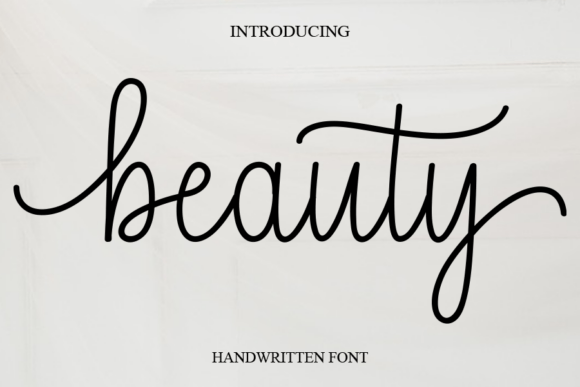
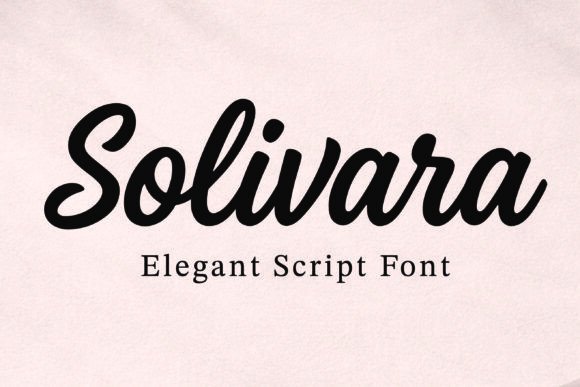
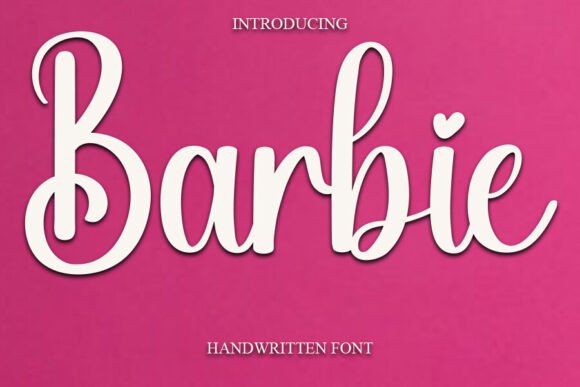
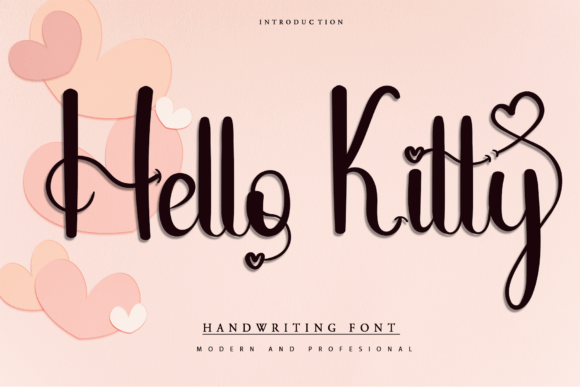
At its core, Hello Kitty is a script font that balances legibility with character. Unlike some aggressive cursive fonts that sacrifice readability for flair, this typeface maintains a clear, open structure. The letterforms feature a consistent baseline with subtle variations in height and weight, mimicking the natural pressure of a hand holding a pen. It avoids the overly polished look of vector perfection. Instead, it embraces the slight irregularities that make handwriting feel authentic.
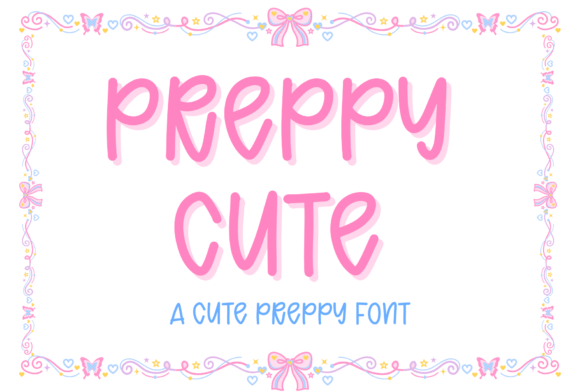
The visual personality of this creative font is undoubtedly friendly and casual. It does not shout; it speaks with a gentle, inviting tone. This makes it a versatile asset in modern typography. When you look at the curves of the letters, you will notice they are rounded and soft, avoiding sharp serifs or rigid angles. This softness contributes to a psychological effect on the viewer: it lowers defenses and suggests trust. In the world of brand identity, where first impressions are formed in milliseconds, using a typeface that conveys immediate friendliness is a strategic advantage. It tells the audience that there is a real person behind the design.
Strategic Applications for Professionals
Understanding where to deploy the Hello Kitty font is just as important as liking how it looks. As a display font, it shines brightest in headlines, subheadings, and call-outs. However, using it for long blocks of body text would likely cause eye strain. The goal is to use it to break up the monotony of standard corporate typography.
Branding and Logo Design
For entrepreneurs and small business owners, logo design is often the first hurdle. If your brand relies on personal service, artisanal goods, or a friendly atmosphere, a handwritten font like Hello Kitty can be the cornerstone of your visual identity. It works exceptionally well for boutique shops, bakeries, lifestyle blogs, and creative agencies. Pairing this font with a clean sans serif font for body text creates a professional yet approachable hierarchy. The logo captures the heart, while the supporting text provides the structure.
Digital and Web Design
In the realm of web design, user experience is paramount. While you should stick to system fonts for navigation menus and long-form reading, Hello Kitty serves as an excellent accent font. Use it for "Welcome" banners, testimonial headers, or button text that requires a soft touch. It adds a layer of visual interest without compromising the site's functionality. Furthermore, in social media graphics, standing out in a crowded feed is difficult. The organic nature of this font helps posts feel less like advertisements and more like notes from a friend. It is particularly effective for quotes, announcements, and engagement-driven content on platforms like Instagram and Pinterest.
Print and Packaging
For those in packaging design, the tactile experience of a product matters. The Hello Kitty font translates beautifully to print, especially on textured stocks. Imagine this typeface on a thank-you card inside a subscription box, or on the label of a handmade candle. It evokes a sense of care and craftsmanship. Similarly, in editorial design, such as magazines or lookbooks, using this font for pull quotes or section dividers can soften the layout and guide the reader's eye through the content in a more relaxed manner.
Influence on Readability and Brand Perception
The choice of typography directly influences how your content is consumed. Readability is not just about font size; it is about visual hierarchy. By using Hello Kitty for key focal points, you create a clear distinction between what is essential and what is informational. This helps guide the reader's journey through your content, ensuring they see the most engaging parts first.
Brand perception is also heavily tied to typography. A premium font that is well-chosen signals professionalism. If you use a low-quality, free font that looks generic, it can cheapen the perception of your product. Hello Kitty, when used appropriately, adds a layer of sophistication to "casual" design. It shows that you have curated your design assets carefully. It suggests that your brand values connection and personality over rigid formality. This is crucial for building a loyal audience. People connect with brands that feel human, and typography is one of the most subtle yet powerful ways to convey that humanity.
Practical Implementation and Pairing
Integrating a new font into your workflow requires some practical consideration. Whether you are a seasoned designer or a hobbyist crafting a newsletter, these guidelines will help you get the most out of the Hello Kitty typeface.
- Evaluating Project Fit: Before committing, assess the tone of your project. If you are designing a legal contract or a medical report, a handwritten font is inappropriate. However, if you are working on a wedding invitation, a blog header, or a coffee shop menu, it is an ideal choice.
- Testing Font Pairings: Contrast is the secret to successful font pairing. Because Hello Kitty has a lot of personality, it pairs best with neutral, structural fonts. Try matching it with a geometric sans serif font like Montserrat or Lato for a modern look. Alternatively, pairing it with a classic serif font like Garamond can create a sophisticated, timeless aesthetic. Avoid pairing it with other decorative or script fonts, as this will create visual chaos.
- Reviewing Styles and Licensing: Always check what is included in the font package. Many commercial fonts come with various weights or stylistic alternates. Ensure you have the correct licensing for your intended use. If you plan to use it on merchandise (like t-shirts or mugs) for sale, you need a commercial license that covers physical products. Using a font without the proper license can lead to legal headaches down the road.
- Readability Considerations: Pay attention to letter spacing (tracking). Handwritten fonts often benefit from slightly increased spacing to prevent the letters from clashing with one another, especially at smaller sizes. Test your text on different devices and in print to ensure the "feel" translates correctly across mediums.
Ultimately, the Hello Kitty font is more than just a stylistic choice; it is a communication tool. In a digital landscape often dominated by cold, algorithmic precision, adding a touch of handwritten warmth can make your brand memorable. It invites your audience to lean in and listen, creating a connection that purely functional typography often fails to achieve. By using this font strategically, you can elevate your projects from merely informative to genuinely engaging.