Mood: The Modern Sans Serif for Bold Branding
Defining Your Visual Tone with Modern Typography
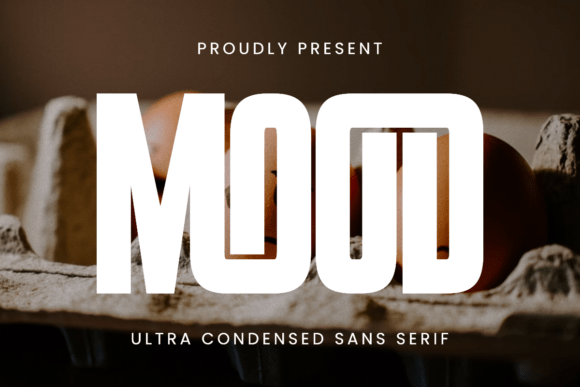
In the crowded landscape of modern typography, finding a display font that truly captures attention without relying on gimmicks is a challenge. Enter Mood, an ultra-condensed sans serif font designed to make a statement. This isn't just another typeface; it's a design asset built for impact. Its tall proportions and unique letter construction give it a bold, distinctive personality, making it an ideal choice for projects that need to stand out instantly. Whether you're working on a new logo design for a startup or crafting a headline for a magazine spread, Mood provides a contemporary edge with undeniable visual presence.
What makes this creative font so effective is its balance. It’s clean yet expressive, avoiding the over-sculpted look that can date a design. The characters are constructed with a keen eye for rhythm, ensuring that even in its condensed form, text remains readable and engaging. This quality makes Mood a versatile tool for designers, entrepreneurs, and content creators who need a reliable premium font that delivers both style and substance across various applications.
Where Mood Makes Its Mark: Applications Across Industries
The true test of a display font is its versatility. Mood excels in high-impact scenarios where first impressions are crucial. For brand identity projects, its boldness helps create logos and wordmarks that are memorable and scalable. Think of a fashion label needing a sleek, modern look for its tags and website headers—Mood fits perfectly. In editorial design, it commands attention on magazine covers and feature spreads, particularly for topics related to lifestyle, sports, or music. The font’s strong presence makes it a favorite for creating compelling social media graphics that need to stop the scroll.
Beyond digital, its applications in print are equally powerful. Consider packaging design for products like cosmetics, tech gadgets, or specialty foods. The condensed nature of Mood allows for impactful labeling without consuming excessive space. For event posters, concert flyers, or advertising campaigns, it delivers a punch of energy. Even in web design, used strategically for hero sections or call-to-action buttons, it guides the user's eye effectively. It’s a commercial font built for real-world projects across fashion, music, sports, and advertising.
Strategic Font Pairing and Readability
Using a bold sans serif font like Mood requires thoughtful composition. A common and effective strategy is font pairing. Because of its strong personality, Mood works beautifully when contrasted with a more neutral, readable body font. Try pairing it with a simple serif font for a classic, editorial feel, or a clean sans serif font for a modern, minimalist aesthetic. This contrast establishes a clear visual hierarchy, where Mood handles the headlines and your secondary font manages the longer paragraphs.
Readability is always a priority. While Mood is designed for headlines, testing it at your intended size and on your target medium is essential. Its tall x-height and open counters are crafted to maintain legibility, but factors like color contrast and background texture play a role. For logo design, always test the wordmark in black and white to ensure the forms are distinct. For web design, check how it renders on different screen resolutions. Its PUA encoding is a significant practical benefit, giving you direct access to all alternate characters and swashes through your system's character map, allowing for easy customization without needing specialized design software.
Practical Guidance for Selecting and Using Mood
Choosing the right creative font is a strategic decision. When evaluating Mood for a project, consider the core message and audience. Its contemporary, bold style aligns well with brands and content that aim to be modern, energetic, and confident. It may be less suitable for projects requiring a traditional, formal, or whimsical tone. Always review the full character set and included styles before committing. Experiment with different weights and styles to see how they perform in your specific layout.
From a practical standpoint, understanding the licensing is key for any commercial font. Mood is a premium font designed for professional use, so ensure your license covers your intended application, whether it's for a client's brand, your own product line, or digital assets. Test the font in context: mock up a logo, place it on a sample poster, or see how it looks in a website prototype. This hands-on evaluation is the best way to determine if its personality aligns with your project's goals. When used with intention, Mood becomes more than just a typeface—it becomes a core component of a project's visual identity, helping to shape perception, ensure consistency, and ultimately engage your audience more effectively.