Happy Bride: A Distinctive Script for Modern Design Projects
Every designer hits a point where standard fonts feel stale. You're working on a wedding invitation, a boutique logo, or a social media campaign, and the usual suspects—a clean sans serif, a classic serif, a generic script—just don't capture the right mood. You need something with personality, a font that feels both personal and polished. This is where a typeface like Happy Bride enters the conversation. It's not just another script font; it's a design asset with a specific, soft-spoken character that can elevate a project from ordinary to memorable.
Understanding the Visual Personality of Happy Bride
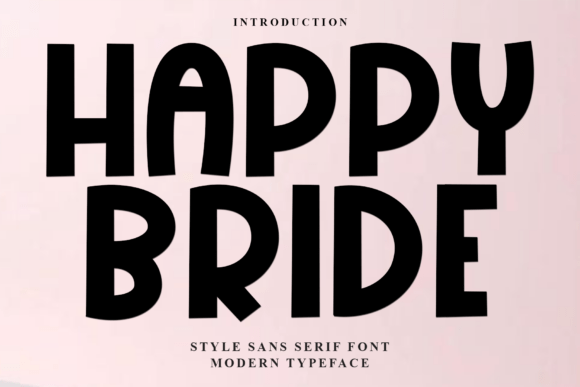
At its core, Happy Bride is a script font defined by its gentle, flowing strokes and a distinct lack of harsh angles. The letterforms connect in a natural, handwritten way, but with a consistency and refinement that avoids looking messy. Think of it as the typographic equivalent of a handwritten note from a friend with exceptionally neat penmanship—it's personal, yet clear and easy to read.
The "soft, unique touch" mentioned in its description translates to rounded terminals and a subtle, organic flow. Unlike some script fonts that lean into dramatic flourishes, Happy Bride maintains a sense of approachability. This makes it a premium font with broad appeal, capable of feeling romantic, elegant, or friendly depending on context and color. Its versatility stems from this balance between artistry and legibility, a key trait for any creative font intended for real-world application.
Where This Font Truly Shines: Practical Applications
The strength of Happy Bride lies in its adaptability across different media. It’s not a display font meant solely for massive headlines, nor is it a body text workhorse. Instead, it occupies a crucial middle ground, perfect for projects that require a touch of human warmth and elegance.
- Branding and Logo Design: For businesses in the wedding, beauty, lifestyle, or artisanal food sectors, Happy Bride can form the core of a brand identity. It works beautifully for logos, brand marks, and taglines, especially when paired with a clean sans serif font for supporting text. The goal is to create a font pairing where the script provides the personality and the sans serif ensures clarity.
- Packaging Design: Imagine a candle label, a gourmet jam jar, or a cosmetics box. Happy Bride can add a premium, handcrafted feel that communicates quality and care. Its legibility at smaller sizes makes it suitable for product names or key descriptors on packaging design.
- Editorial and Publishing: In magazines, blogs, or book covers, this typeface excels at pull quotes, chapter titles, or feature headings. It adds visual interest and breaks up the monotony of standard serif font or sans serif font layouts, guiding the reader's eye in editorial design.
- Digital and Web Design: While not for body text, Happy Bride can enhance web design elements like hero section headings, call-to-action buttons, or special promotional banners. Its compatibility with various applications ensures it renders well across devices, a critical consideration in modern typography.
- Marketing and Social Media: For Instagram graphics, Facebook ads, or Pinterest pins, a creative font like this stops the scroll. It’s perfect for quotes, announcements, and sale graphics in social media graphics where capturing attention quickly is paramount.
- Personal and Craft Projects: The font’s charm isn't limited to commercial use. It’s ideal for wedding stationery, greeting cards, custom invitations, and DIY craft projects. The included characters and glyphs often provide options for stylistic alternates, allowing for even more customization in personal work.
Making the Right Choice: Guidance for Using Happy Bride
Adopting a new font into your toolkit is a strategic decision. Here’s how to think about integrating Happy Bride effectively.
Evaluate the Project's Voice
First, consider the core message. Is it romantic? Whimsical? Luxurious? Happy Bride leans toward softness and elegance, so it's a natural fit for projects with a gentle, personal, or upscale tone. For a corporate tech report or a children's sports league poster, it might feel out of place. The font's personality should align with the project's goals.
Test Font Pairings Relentlessly
A great font pairing is the cornerstone of professional design. Happy Bride typically pairs best with a simple, geometric sans serif font like Montserrat, Lato, or Open Sans. The contrast between the flowing script and the clean, structured sans serif creates a dynamic and readable hierarchy. Avoid pairing it with another ornate script font or a highly decorative serif font, as this can create visual chaos. Always test your pairings at various sizes to ensure they work together harmoniously.
Review the Technical Details
Before finalizing, check the font package. Does it include multiple weights or styles? Happy Bride might come with a regular and a bold version, or perhaps swash alternates. Understanding these design assets expands your creative options. Furthermore, if the project is for a client or will be distributed, you must verify the commercial font licensing. Ensure the license covers your intended use, whether for a single logo, a product line, or a website.
Prioritize Readability in Context
While legibility is a strength of this particular script font, context is everything. Use it for headlines, short phrases, and accents—not for paragraphs of body copy. On a website, ensure sufficient contrast between the font color and the background. In print, test it on the actual paper stock. The goal is to maintain its elegance without sacrificing the viewer's ability to quickly grasp the message.
In a landscape saturated with typefaces, Happy Bride offers a refined and versatile option. It’s a tool for adding a layer of sophistication and human connection to your work. By understanding its character and applying it thoughtfully across your brand identity, marketing materials, and design projects, you can create visuals that don’t just communicate, but resonate. It’s a testament to how the right typeface can quietly shape perception and make your designs more appealing to a wide audience.