Groovy Chunky: A Playful Display Font for Modern Designs
Beyond Basic Typography: Injecting Personality into Your Projects
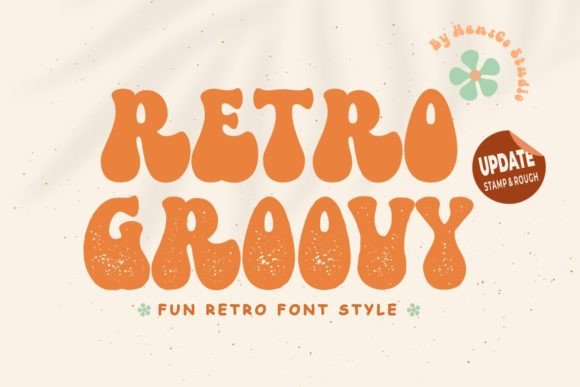
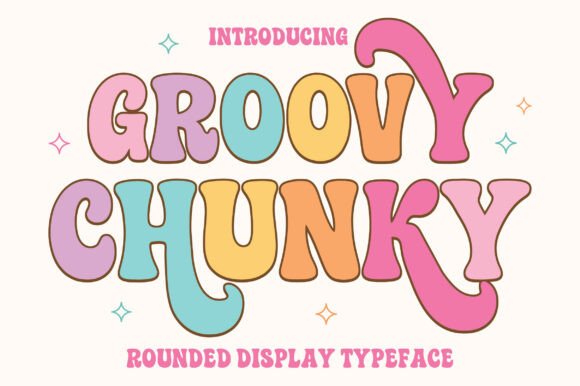
Choosing the right typeface is often the difference between a design that feels generic and one that communicates a specific, memorable vibe. When a project calls for energy, approachability, and a touch of nostalgic fun without sacrificing contemporary polish, Groovy Chunky steps into the spotlight. This isn't just another display font; it's a carefully engineered tool for adding instant character. Its soft, rounded shapes and chunky letterforms are crafted to be both bold and friendly, creating an immediate connection with viewers. The retro inspiration is clear, but the execution feels fresh and modern, making it versatile for a wide range of creative applications where you need to stand out with warmth.
Visually, Groovy Chunky is defined by its balanced, smooth curves and substantial weight. This gives it a robust presence on the page or screen, ensuring it commands attention without feeling aggressive. The "chunky" aspect provides excellent legibility, even at smaller sizes—a crucial feature for any premium font intended for more than just large headlines. It avoids the overly whimsical feel that can sometimes limit a font's utility, instead offering a cheerful yet professional aesthetic. Think of it as the typographic equivalent of a friendly, confident handshake: it makes a strong first impression that feels genuine and inviting.
Where Groovy Chunky Truly Shines: Practical Applications
The strength of a display font like Groovy Chunky lies in its ability to define the tone of a project from the first glance. Its personality makes it exceptionally well-suited for specific contexts where engagement and approachability are key.
In logo design and brand identity, especially for businesses targeting families, children, or a lifestyle market, Groovy Chunky can become the cornerstone of a recognizable visual system. Imagine a boutique bakery, a creative workshop studio, or a playful SaaS product—this font can articulate a brand promise of being fun, reliable, and user-friendly. It works beautifully for main wordmarks or as a supporting headline font paired with a clean sans serif font for body text, establishing a clear visual hierarchy.
For packaging design, its impact is immediate. On a shelf crowded with minimalist designs, a product using Groovy Chunky can signal joy and creativity. It's perfect for artisanal goods, snack foods, or any item where the packaging should evoke a smile. The font's clarity ensures that product names and key messages remain readable, which is essential for commercial font use in retail environments.
Digital spaces are another natural home. Social media graphics, especially for Instagram stories, YouTube thumbnails, or Pinterest pins, demand fonts that stop the scroll. Groovy Chunky's bold forms are highly effective in these fast-paced, visual-first environments. It can make quotes, announcements, or call-to-action text pop. Similarly, in web design, it can be used strategically for hero sections, promotional banners, or category headers to inject energy into the user experience, provided it's used thoughtfully to maintain overall site readability.
Don't overlook print and editorial applications. For editorial design in magazines or blogs targeting creative hobbies, DIY, or parenting, Groovy Chunky can set a lively tone for feature article titles or section dividers. In book publishing, it could be the perfect choice for the cover of a children's book, a humorous memoir, or a cookbook, instantly conveying the content's spirit.
Making It Work: Pairing, Readability, and Professional Use
Adopting a strong creative font like Groovy Chunky requires some strategic thinking to maximize its effectiveness. The goal is to let its personality enhance your message, not overwhelm it.
Font pairing is critical. Because Groovy Chunky has such a distinct voice, it generally works best when paired with a more neutral, complementary typeface. A geometric or humanist sans serif font often makes an excellent partner for body copy, providing a clean counterbalance. For a different feel, a simple, elegant serif font could create an interesting contrast. The key is to ensure the secondary font doesn't compete for attention but rather supports the hierarchy. Avoid pairing it with another highly stylized script font or handwritten font, as this can create visual chaos.
Always test for readability in your specific context. While designed to be legible, its chunky nature means you should check how it performs at the intended size, especially in longer words or tight line spacing. Use it for headlines, subheads, and short bursts of impactful text rather than for paragraphs of body copy. Its role is to attract and direct, not to sustain long reading sessions.
Evaluate the project's fit. Does the brand or project have a playful, energetic, or friendly core? Groovy Chunky will amplify that. If the project demands extreme formality, stark minimalism, or serious gravitas, it might not be the right tool. Consider your audience: this font resonates strongly with adults in the 20–50 range who appreciate modern design with a nostalgic, upbeat twist—perfect for marketers, bloggers, and small business owners aiming to connect on a human level.
Finally, review the font package thoroughly. A professional typeface like Groovy Chunky often comes with multiple weights, stylistic alternates, or extended language support. Understanding what's included allows you to use it more flexibly across your design assets. Ensure the licensing covers your intended use, whether for a personal blog, client work, or commercial products. Investing in a high-quality commercial font is an investment in the professionalism and distinctiveness of your work.
In the landscape of modern typography, Groovy Chunky offers a specific and valuable niche. It's a solution for when you need to communicate with clarity and confidence, but also with a sense of joy and approachability. Used thoughtfully, it can become a defining element of a brand's voice or a project's visual impact, making designs not just seen, but felt.