Cambridge: The Gothic Font with Modern Appeal
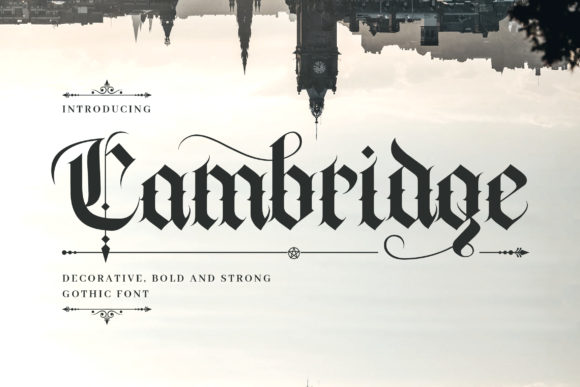
In a world saturated with sleek, minimalist sans-serif fonts, there's a certain power in embracing a typeface with deep historical roots. Enter Cambridge, an elegant and authentic blackletter font that channels the spirit of Gothic manuscript tradition. This isn't just a font; it's a statement piece. While its intricate, calligraphic strokes might seem niche at first glance, its versatility is surprising. For designers and creators looking to inject a sense of heritage, authority, or dramatic flair into their work, Cambridge offers a compelling and sophisticated solution that feels both classic and refreshingly distinct.
Understanding the Character of Cambridge
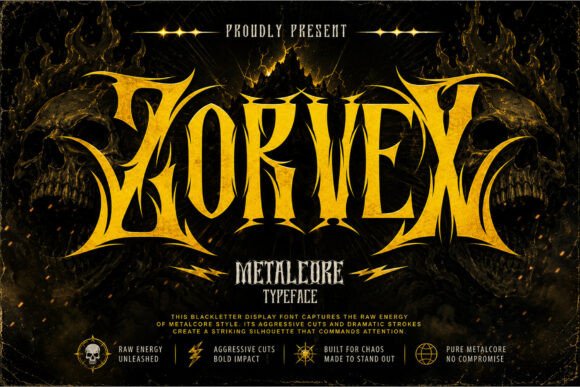
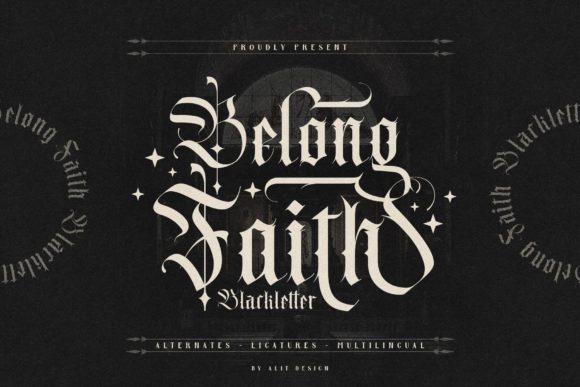
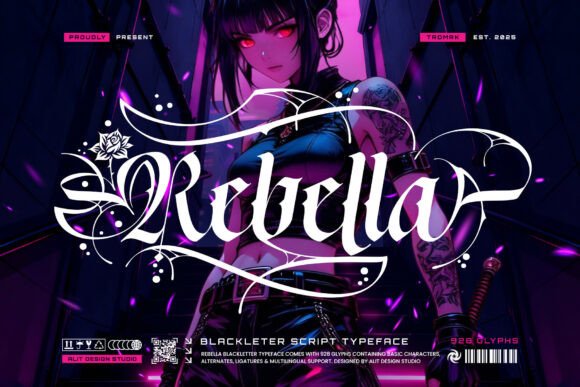
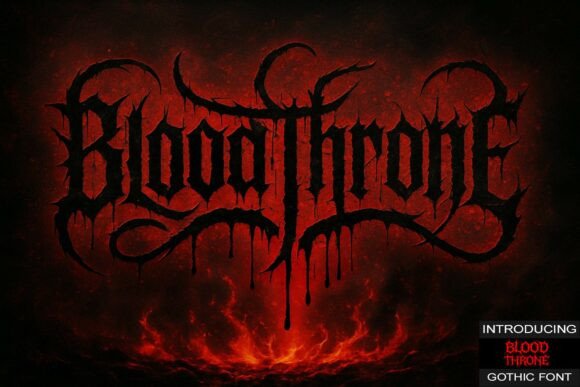
Cambridge is a premium font in the blackletter family, a style also known as Gothic or Old English. Its visual personality is defined by sharp, angular strokes, condensed letterforms, and a dense, textured appearance that mimics the look of ink on aged parchment. This display font is not designed for body text; its intricate details shine brightest at larger sizes where its craftsmanship can be fully appreciated. The overall appeal of Cambridge lies in its authenticity. It doesn’t feel like a cartoonish imitation but a respectful nod to a centuries-old writing tradition, making it a powerful tool for conveying timelessness and seriousness.
Think of it as the typographic equivalent of a tailored suit or a vintage leather-bound book. It carries an inherent weight and formality. This typeface excels at creating immediate visual interest and a strong mood. Its character is perfect for projects that need to feel established, scholarly, or rooted in tradition, yet it can be styled in ways that feel surprisingly contemporary.
Where to Deploy This Creative Font
The true test of any design asset is its application. Cambridge finds its home in projects where making a memorable first impression is paramount. Its strengths are best leveraged in contexts where it can act as a focal point without competing for attention with other busy elements.
Branding and Logo Design
For businesses aiming to project an image of heritage, craftsmanship, or premium quality, Cambridge can be a cornerstone of their brand identity. Imagine it used for a boutique law firm, a craft distillery, a historical preservation society, or a high-end leather goods maker. The font instantly communicates a sense of established authority and attention to detail. In logo design, a single word or monogram set in Cambridge can become a powerful, recognizable mark. It pairs exceptionally well with a clean sans-serif font for a modern contrast that balances tradition with contemporary clarity.
Editorial and Packaging Design
In editorial design, Cambridge shines for magazine mastheads, chapter titles, or pull quotes that need to command attention. Its gothic style can set the tone for a story with historical or dramatic themes. For packaging design, it’s a standout choice for artisanal products—think coffee roasters, chocolatiers, or whiskey brands—where the label itself is part of the storytelling. It conveys that the product inside is crafted with care and a respect for tradition.
Digital and Print Applications
While it’s a commercial font with broad licensing, its application in web design should be strategic. Use it for hero sections, event announcements, or as a stylized header on a landing page. It’s not suited for navigation or small text, but as a display font, it can create a stunning visual impact. For print, its potential is vast: wedding invitations, event posters, book covers, and certificate headers. In social media graphics, a headline set in Cambridge can stop the scroll, especially for content related to history, literature, craftsmanship, or luxury events.
Making the Right Choice for Your Project
Choosing a font like Cambridge requires a thoughtful evaluation. The first step is always to consider your audience and message. Does the project’s theme align with the historical, formal, or artisanal connotations of a blackletter style? A children’s party flyer is not the right fit, but a conference on medieval studies certainly is.
Evaluating Fit and Readability
Always test the font at the size you intend to use it. While Cambridge is designed for clarity at display sizes, its intricate forms can become challenging to read if used too small. Check the spacing and kerning, especially in your specific word or phrase. A good practice is to place it next to your body text font to ensure a harmonious and legible hierarchy. The goal is to create a visual hierarchy where the Cambridge header draws the eye and the supporting text provides clear information.
Exploring Font Pairing and Styles
The most effective way to use a strong display font like Cambridge is in contrast with a simpler counterpart. A timeless pairing strategy is to combine it with a neutral serif font or a geometric sans-serif font. The serif option (like a Garamond or Baskerville) creates a bridge of classicism, while a clean sans-serif (like Helvetica or Futura) offers a sharp, modern counterpoint. This balance prevents the design from feeling overly themed or difficult to read.
Before purchasing, review the full character set. A quality premium font like Cambridge will often include stylistic alternates, ligatures, and extended language support. These features provide creative flexibility, allowing you to customize the look and feel. Finally, if your project is commercial—whether it's a client logo, product packaging, or a website for sale—ensure you are acquiring the correct commercial font license. This protects both you and the font creator, ensuring you can use the asset confidently in your professional work.
Ultimately, Cambridge is more than just a gothic style font. It’s a versatile tool for visual storytelling. When used with intention and paired thoughtfully, it can elevate a project from ordinary to unforgettable, lending it an air of elegance, authenticity, and enduring style. It’s a testament to the power of modern typography